The Ultimate Guide to Tahitian Black Pearls: History, Value, and Insider Tips
Tahitian Black Pearls are more than just a souvenir from the South Pacific; they are a masterpiece of nature and human ingenuity. Often shrouded in myth, these “Queens of Pearls” carry a fascinating history and a complex grading system that every collector should understand.
Whether you’re a jewelry enthusiast or planning a trip to French Polynesia, here is the essential guide to these exotic gems.
1. Destination Tahiti: The Gateway to Paradise


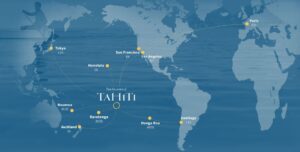
Tahiti is the heart of French Polynesia and the primary hub for the region. Famous as a sanctuary for Hollywood icons like Nicole Kidman and visionaries like Bill Gates, it remains one of the world’s most aspirational destinations.
-
- Location & Access: For travelers coming from East Asia, there are currently no direct flights. Most itineraries involve a layover in Tokyo (Narita).
-
- Travel Logistics: It is a journey of endurance—roughly 17 hours of total travel time. Round-trip airfare typically ranges from $1,500 to $2,000 depending on the season.
-
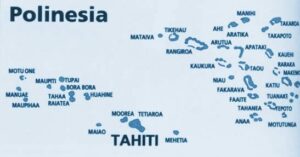
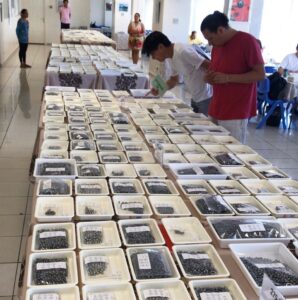
- The Inside Scoop: A common misconception is that pearls are farmed on the main island of Tahiti. In reality, you’ll need to take a 50-minute domestic flight to the remote outer atolls to see the actual pearl farms in action.
2. A Short but Storied History
While natural pearls have been admired for millennia, the Tahitian cultured pearl industry is a relatively modern phenomenon—less than 50 years old.
-
- The Pioneers (1975): Frenchman Jean-Claude Brouillet partnered with New York broker Salvador Assael to launch “Polynesia Pearls,” leveraging Japanese expertise in Akoya culturing to transform the local industry.
-
- The Expansion (1984): Chinese-Polynesian entrepreneur Robert Wan eventually took the reins. Under his leadership, Tahitian pearls gained global prestige, earning him the title “The Emperor of Pearls.”
-
- Before the Boom: Historically, the local Pinctada margaritifera (black-lip oysters) were harvested primarily for their shells, which were exported to be carved into luxury buttons and ornaments.
3. The Science of Color: More Than Meets the Eye
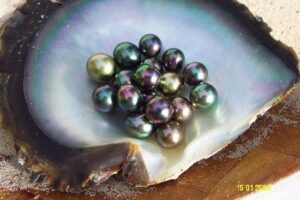
In the jewelry world, calling them “black pearls” is actually a bit of a misnomer. Their true value lies in the orient and overtone the iridescent colors that shimmer on the surface.
The Legend of the Rainbow
According to Tahitian mythology, the Creator infused pearls with the colors of the rainbow as a gift to his beloved. In gemological terms, this is the result of the complex interplay between Body Color, Orient, and Overtone.
The Value Hierarchy
When it comes to market value, specific hues command a significant premium. It is a mistake to assume the darkest pearl is the most valuable.
- Peacock & Peacock Green: The gold standard. Features a rich, oil-slick green with pink or purple overtones.
- Dark Green & Pistachio: Highly sought after for their metallic luster.
- Purple, Blue, and Silver: Rare shades that offer a modern, sophisticated look.
Pro Tip: Because the black-lip oyster rarely produces large, flawless specimens, any high-quality pearl exceeding 12-14mm is considered a rare investment-grade gem.
4. Insider Tips for the Savvy Buyer
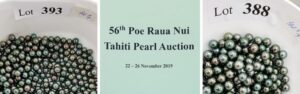
As an industry professional who frequents the Hong Kong Pearl Auctions, I’ve observed that buying at the source isn’t always the most cost-effective strategy.
-
- Beware of High Local Markup: Tahiti has a very high cost of living and steep taxes. You may find better pricing on Tahitian pearls in global trading hubs like Hong Kong or New York than in local boutiques.
-
- Luster is King: Always prioritize luster (the sharpness of the reflection) over size. A smaller pearl with a mirror-like finish is far more valuable than a large, dull one.
-
- Color Intensity: In the Tahitian market, the intensity of the overtone affects the price more than almost any other factor.
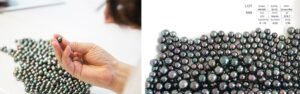
Tahitian pearls are a blend of French innovation and Polynesian nature. If you’re buying, look for the Peacock green overtone and remember that the highest quality often comes in smaller, more lustrous packages.
📍 Location: 24, Donhwamun-ro 8-gil, Jongno-gu, Seoul, Republic of Korea (Store visits welcome!)
💬KakaoTalk: hibird1/ 010-5279-7103
📸 Instagram: @hibird1